
Disposable or Reusable Bed Pads: What Actually Suits Overnight Care
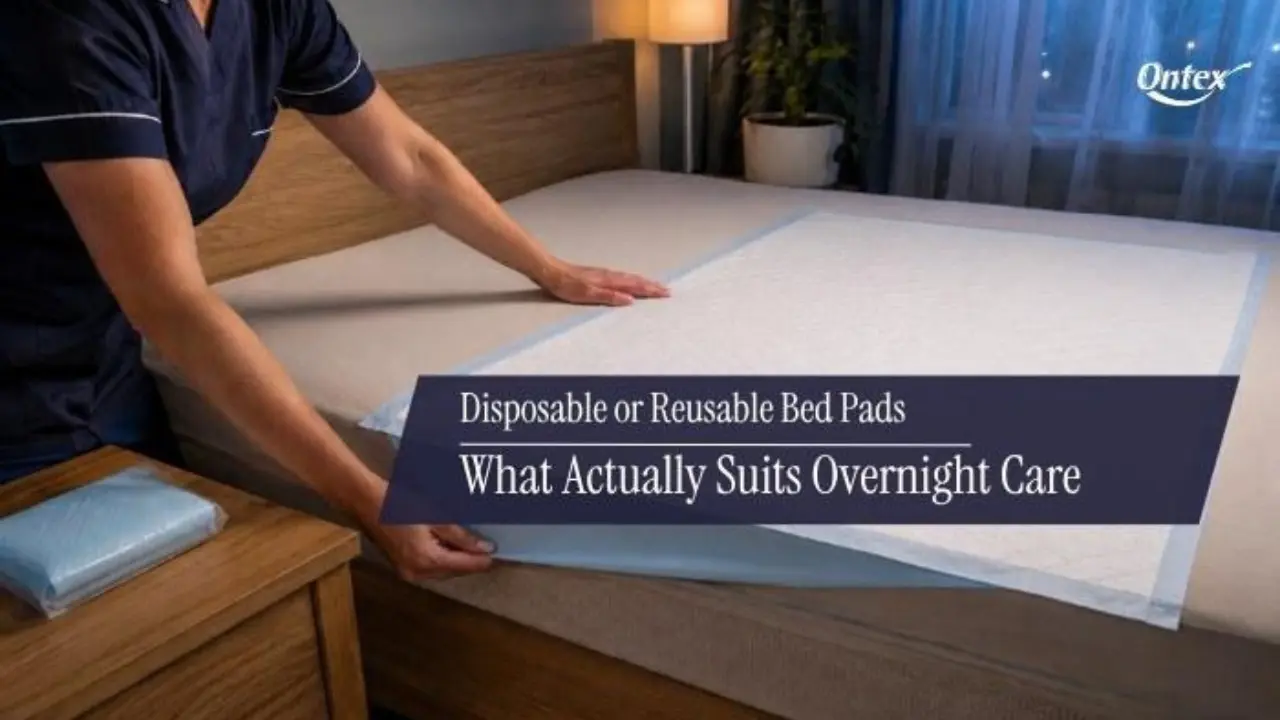
If you’re caring for someone with overnight incontinence, bed pads are one of the first things you’ll reach for. The tricky part is figuring out whether disposable or reusable bed pads suit your overnight setup better.
We’re Ontex Healthcare, and we make bed protection products for Australian families. Along the way, we’ve learned why some families stick with disposables, and others end up switching to washable pads. A lot of it depends on how much laundry you can manage and what fits your weekly budget.
So we’ve compared both types across absorbency, cost, and waterproof backing. By the end, you’ll have a clear picture of which pad type fits your care routine.
Bed Pads for Overnight Incontinence Care
Disposable bed pads absorb moisture into a sealed core that you toss out after one use. Each pad typically has three to four absorbent layers, and those layers lock liquids away from the skin for eight hours or longer. In practice, that means fewer nighttime leaks soaking through to your mattress.
You’ll find sizes from single bed through to double bed widths. Many disposable bed protectors also come with tuck-ins that fold under the mattress, so the pad won’t shift or bunch while you sleep (a big win at 3 am).
And you don’t even need to fully wake up for a change. Simply pull the old pad off, drop a fresh one down, and you’re back in bed within a minute. For carers with early morning starts, getting back to sleep within minutes instead of running a load of washing means a lot the next morning.
Now, let’s look at the reusable options.
What Makes a Reusable Bed Pad Worth It
What if you could cut your monthly bed pad spend by half? Reusable bed pads offer that for families managing long-term incontinence.
Along the way, we’ve spoken with carers who swear by washable pads and others who switched back to disposables. And in most cases, laundry setup was the deciding factor.
Here’s what to weigh up before you buy:
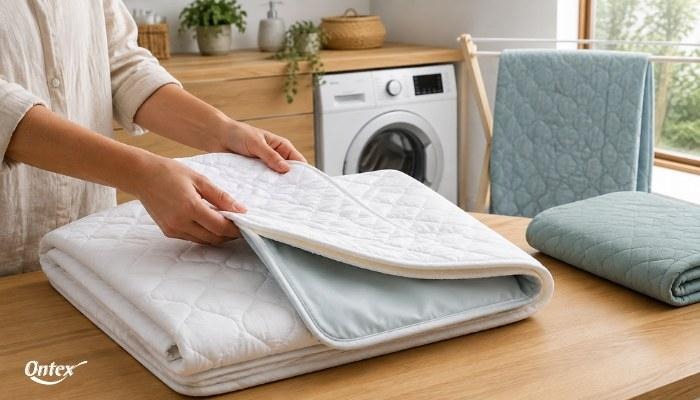
- Layered Absorbent Design: Each reusable pad uses soft, layered fabric with waterproof backing. Pads with four or more absorbent layers typically handle 200 to 300 washes, so a set of three lasts over a year of nightly use.
- The Washing Reality: Frankly, the daily wash load is what stops some carers from committing. Each pad needs a warm machine wash, and line drying takes several hours (those utility bills count too).
- Who They Suit Best: Families managing bedwetting in children or nighttime incontinence in older adults tend to save the most month to month. For anyone comparing continence products and choosing the right option for their household, reusable pads are a solid starting point.
These bed pads aren’t for every household, though. If your washing machine is already running nonstop, disposable options will free up your evenings.
Disposable Bed vs Reusable Bed Protection: Cost Comparison
Once you’ve settled on a type, the next question is cost. At $1 or so per pad, the nightly cost of disposables feels small. But spending $7 a week becomes $30 or more each month before you’ve even noticed.
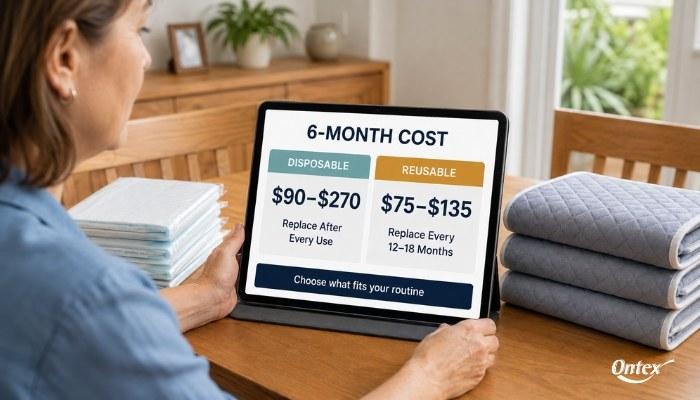
A quick comparison shows how the numbers look over six months of nightly use:
| Disposable Pads | Reusable Pads | |
| Upfront Cost | $0.50–$1.50 per pad | $25–$45 per pad |
| Six-Month Spend | $90–$270 (one per night) | $75–$135 (set of three, rotated) |
| Extras | Restocking every few weeks | Detergent, water, electricity |
| Replace | After every use | Every 12–18 months |
Unfortunately, these individual costs sit inside a much larger annual spend.
Continence Health Australia reports that people experiencing incontinence spend an average of $1,835 per year on pads, liners, and pull-ups. Bed and mattress protection alone accounts for around $144 of that yearly figure. So the type of pad you choose has a direct impact on your home care budget.
So far we’ve covered absorbency and cost, but none of that helps if the waterproof layer underneath your pad fails.
Waterproof Bed Protection That Lasts Through the Night
Not every waterproof backing performs the same way, either. Believe it or not, plenty of bed pads labelled for overnight use struggle past four or five hours (not a fun discovery at midnight).
So what causes that? Cheaper waterproof bed protectors often use a thin plastic layer that crinkles and traps heat against the skin. A soft, breathable waterproof backing does the opposite. It blocks overnight leaks and spills while letting air pass through, so the person sleeping stays comfortable.
And if you’re managing bedwetting in children or nighttime incontinence in adults, that airflow prevents skin irritation across a full night of sleep.
Staying dry is one thing, but the pad also needs to stay put. For instance, tuck-ins fold under the mattress on both sides and stop the pad from sliding when someone rolls over. Along with a waterproof backing, soft top layer, and suitable size, these features provide reliable overnight protection.
How to Pick the Right Bed Pads for You
You’ve seen how disposable and reusable bed pads stack up on absorbency, waterproof protection, and cost.
When overnight leaks are frequent, or bedwetting is part of your nightly routine, disposables save you time. Washable pads, on the other hand, cost less over time, so they suit households with a steady laundry routine.
Still not sure which way to go? Trying both types for a week gives you a clear sense of what fits your sleep routine. You can also check the Australian Government’s resource on choosing the right continence products to help weigh up your incontinence care options.
Once you’re ready to try, Ontex Healthcare stocks soft, absorbent bed pads, mattress protectors, and incontinence products for overnight care across Australia.
Request a free sample and find the right pad for your bed today.